The digital window
to the MoneyMuseum's
book collection.
You will find here information and articles about the books and exhibitions of the MoneyMuseum, as well as current catalogs from the world of antiquarian books.


Worlds of Books
Enjoy the collection of the MoneyMuseum. To this end, we have compiled thematic areas for you that examine selected books in terms of their historical, social and intellectual context.
Latest articles
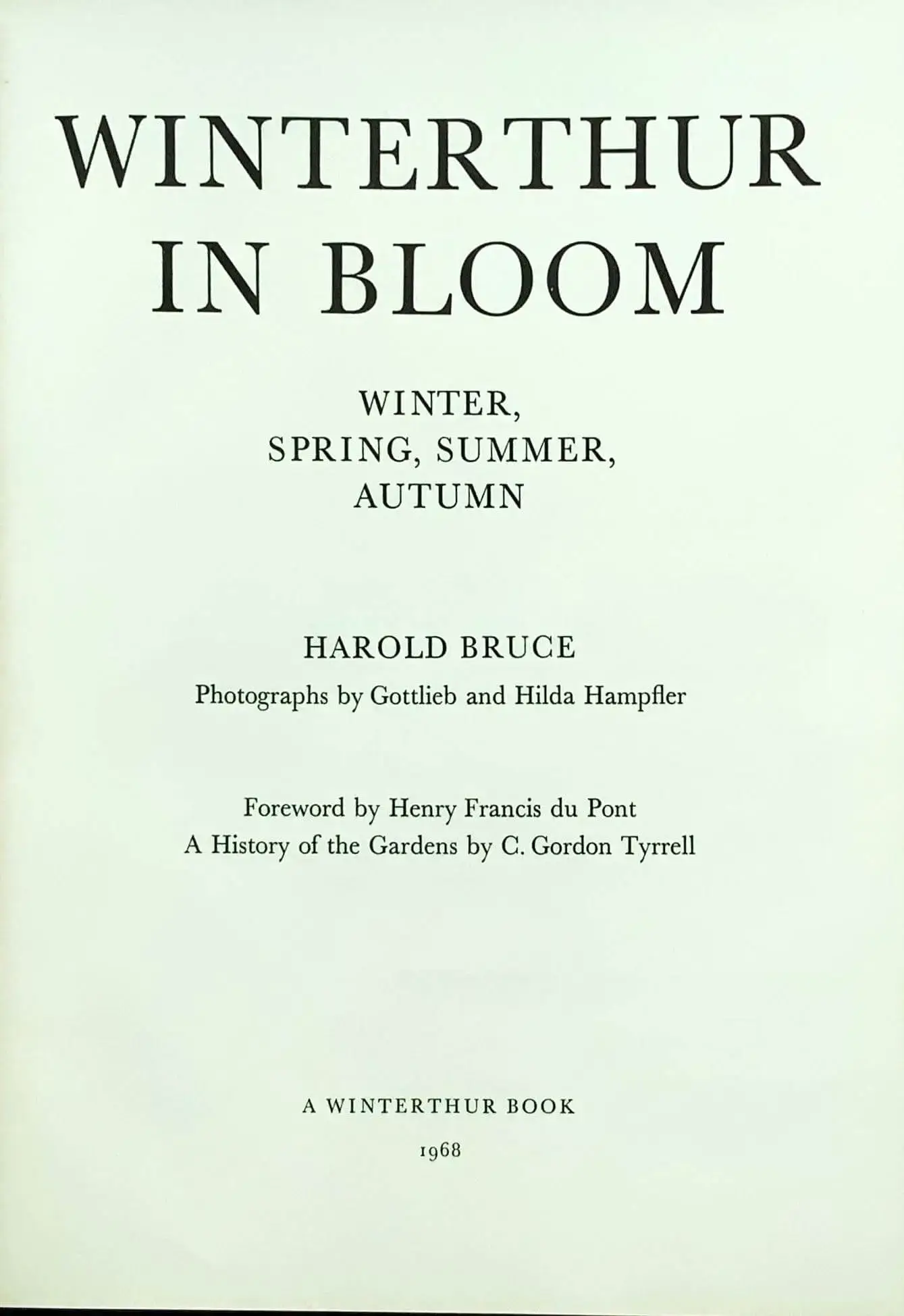
Winterthur Is in Delaware
One might think at first glance that this book consists of nothing more than a beautiful binding and magnificent pictures. And then one begins to wonder why an American publisher for an English-speaking audience chose to publish a picture book about the gardens of Winterthur.
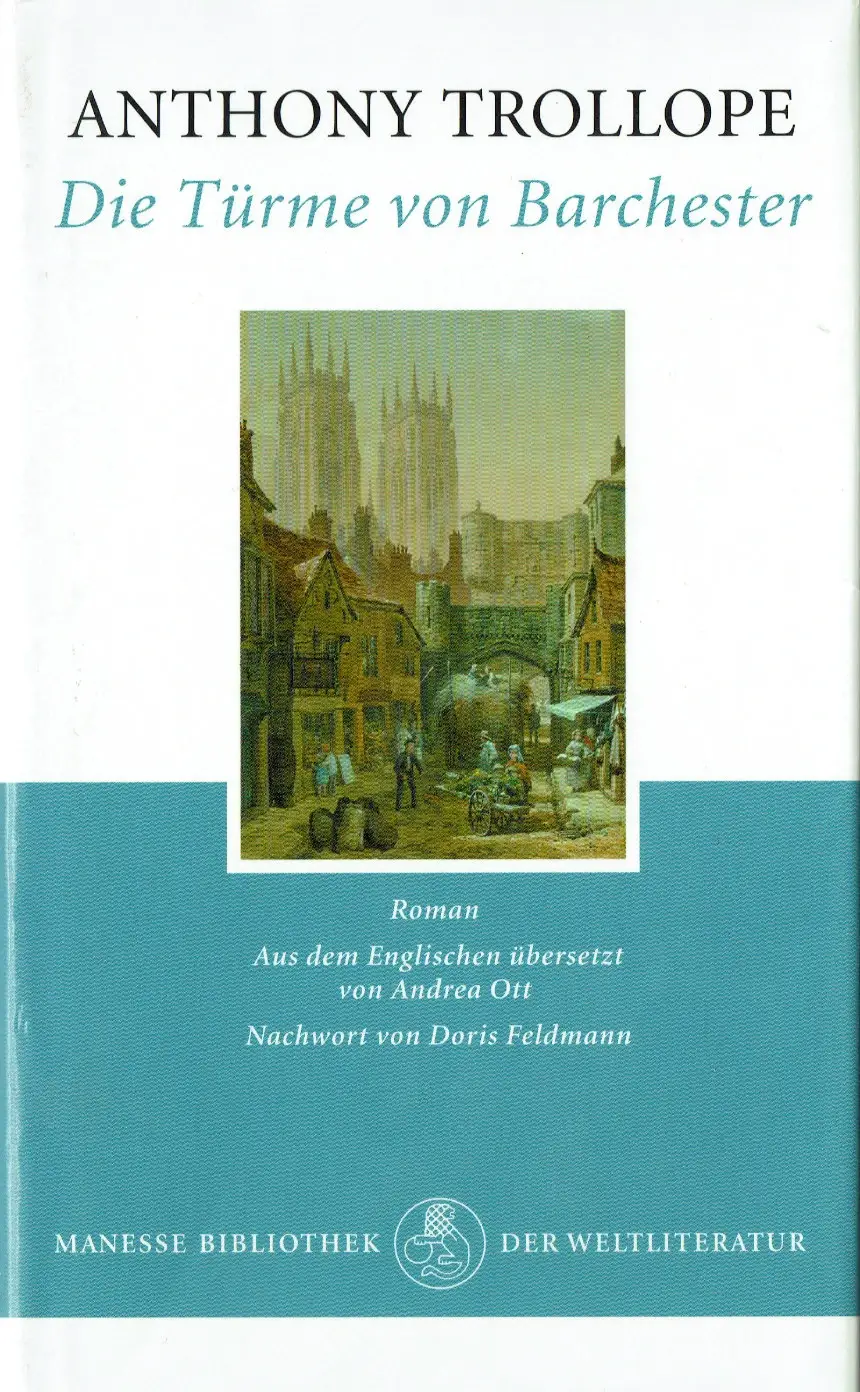
Performance-Related Pay in the Church?
Anthony Trollope is among the great satirists who commented on the transformation of English society in the 19th century. His novel 'Barchester Towers' indicts the fact that the religious renewal movement concerned itself less with questions of faith than with its own stipends.
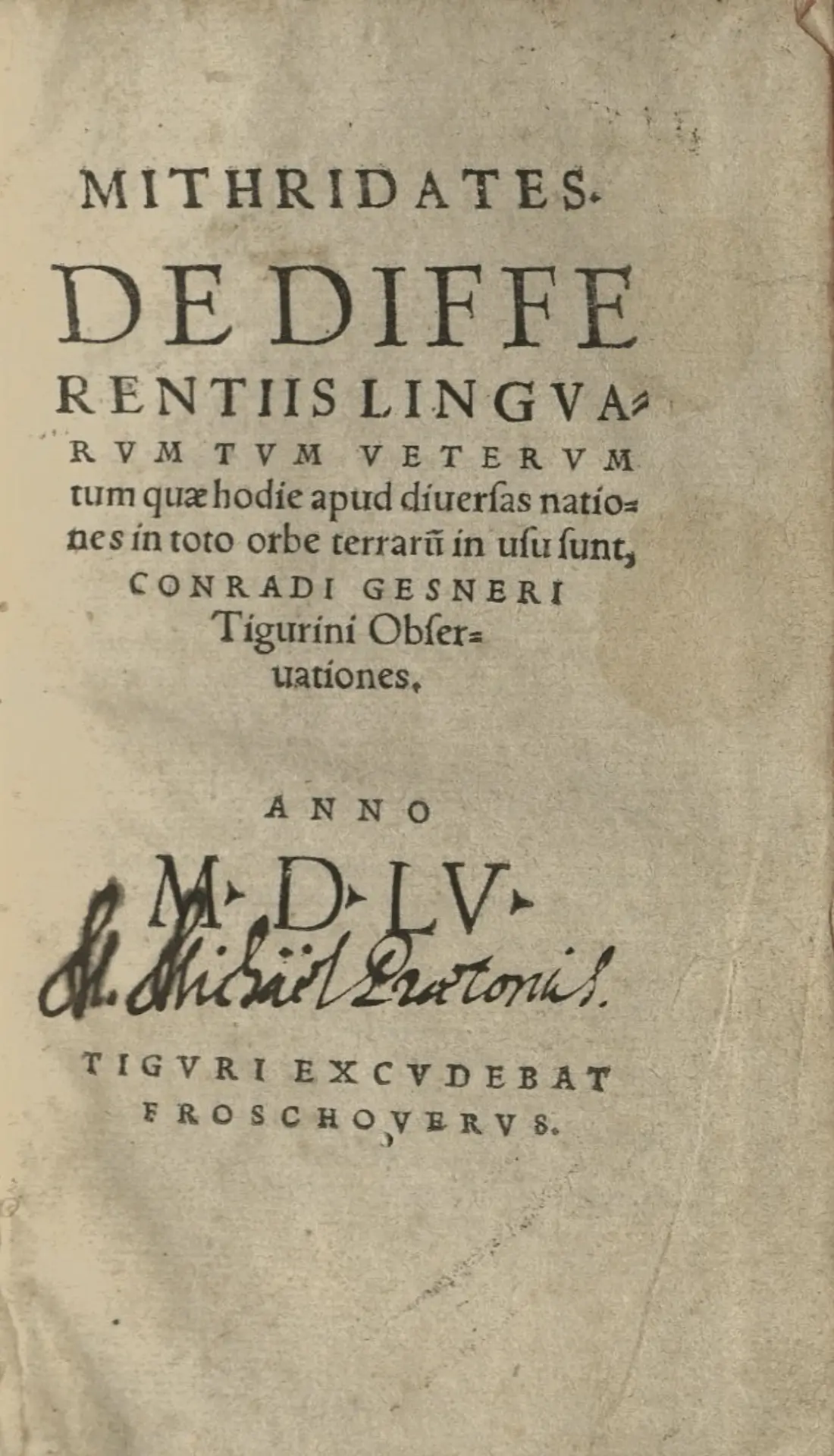
Conrad Gessner and Christoph Froschauer: A Dream Team of the Zurich Reformation
Of course the Reformation was about faith. But it was also about a great deal of money and new economic fields. This article shows a winner of the Zurich change of faith from a quite different perspective. Christoph Froschauer managed the rise from humble printer's apprentice to wealthy publisher. That in doing so he financed the work of Conrad Gessner was above all a question of economic viability.
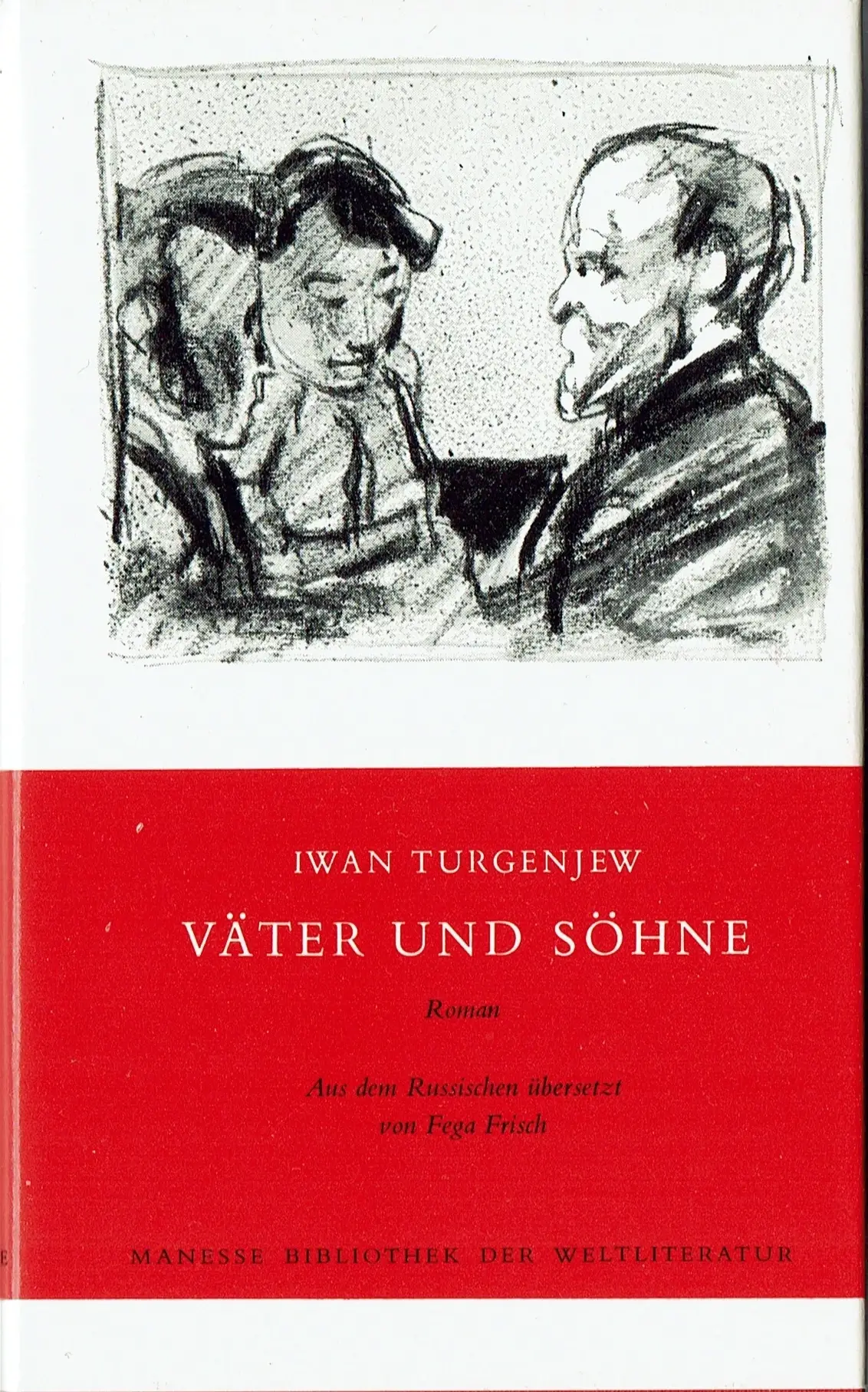
A Change of Values in Russia: Turgenev's Fathers and Sons
The world changes and the human being changes with it. One resists the change, another welcomes and promotes it. This was already observed by Ivan Turgenev in his generational novel 'Fathers and Sons.' He dissects the various human types and their relationship to changing values.
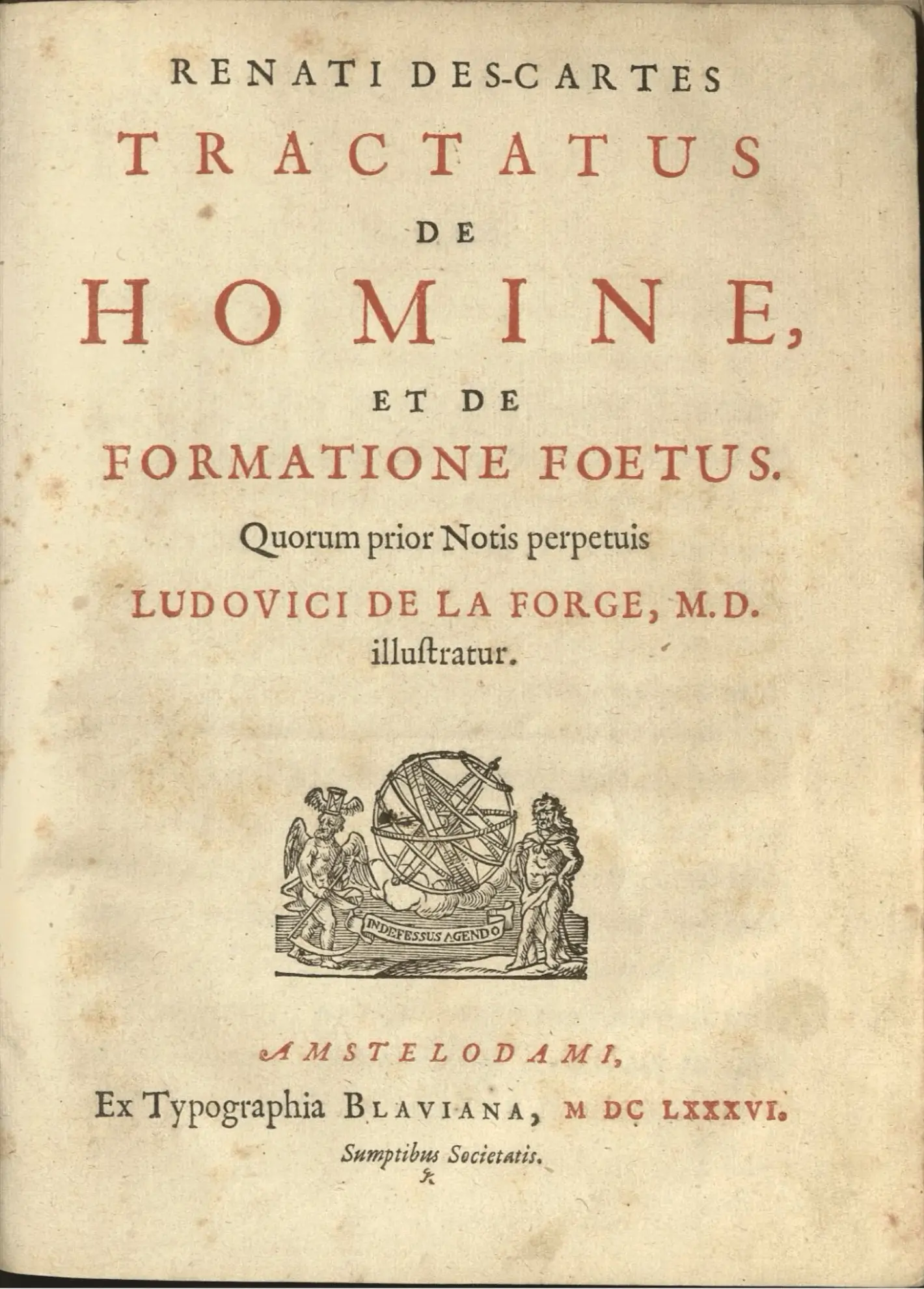
The Animated Automaton: Descartes' Treatise on Man
Do you also have problems with demigods in white who forget in hospital that they are dealing with people, not bodies? Let us be glad that we have them. Their knowledge saves many human lives. Before the 17th century, doctors could only surmise whether and why a remedy helped in the case of illness. That this changed we owe in part to Descartes' Treatise on Man, which we present to you in this contribution.
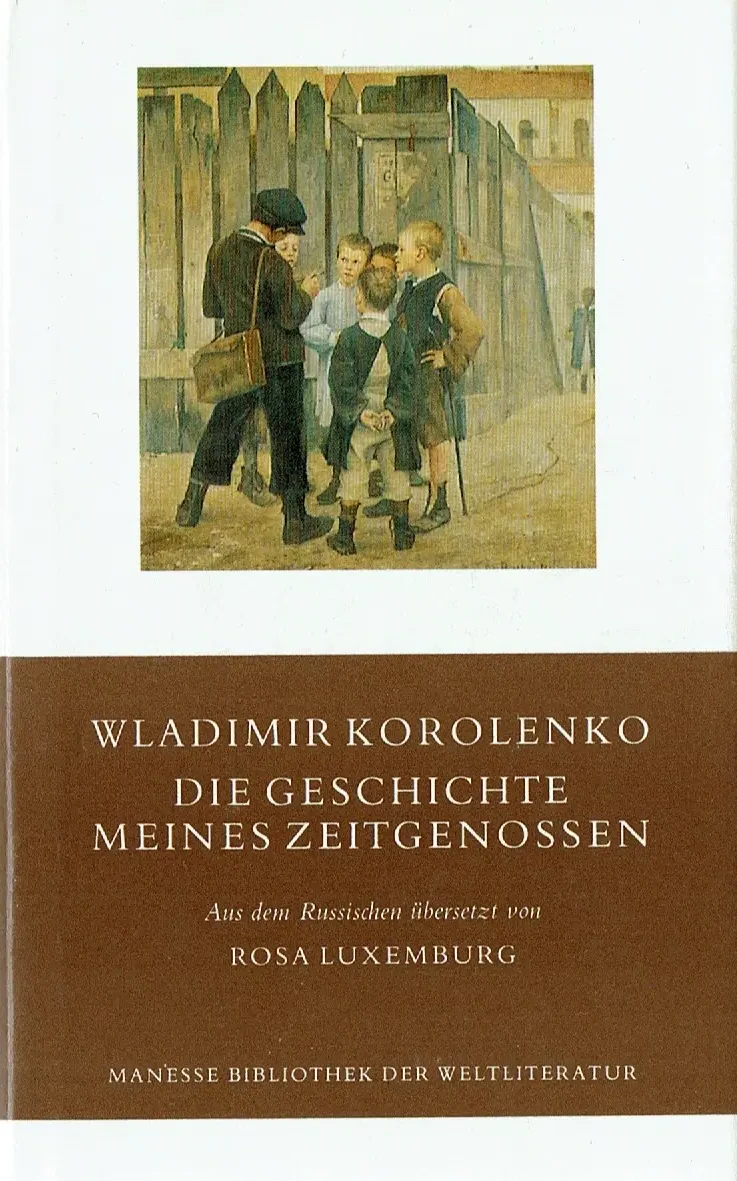
What Dictatorship Feels Like: The Story of My Contemporary by Vladimir Korolenko
What does dictatorship actually feel like? The socialist and humanitarian Vladimir Korolenko lets his readers understand why, as a thinking and feeling person under tsarist rule, he had no other choice but to resist. What is remarkable: he tells his story soberly and without any trace of hatred or agitation.
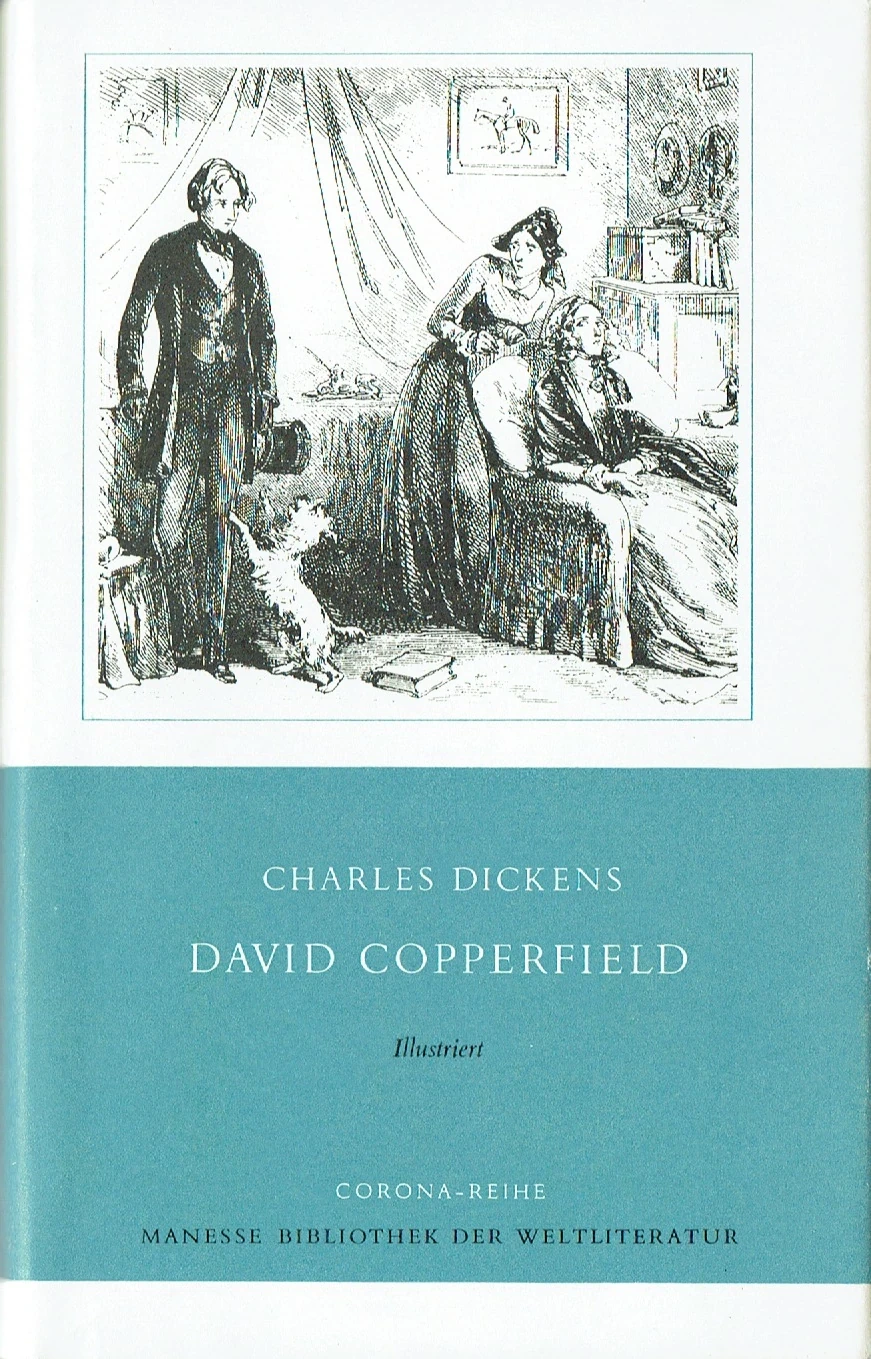
Three Approaches to David Copperfield Part 1: Choose Wisely Who You Bind Yourself to Forever
In 1849/50, Charles Dickens published David Copperfield, one of his most celebrated novels. The story of the small orphan boy who finds his way into bourgeois society despite all obstacles is among the best-known works of world literature. But David Copperfield is not merely a gripping story — it is also a kind of literary guide to middle-class conduct. We illustrate this with three examples. Part 1 addresses the choice of a marriage partner.
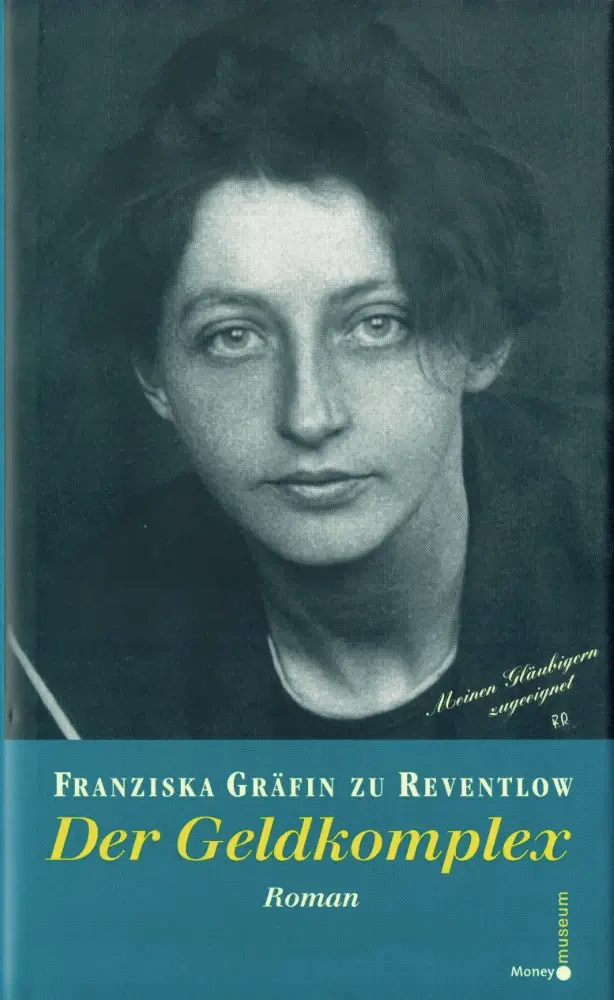
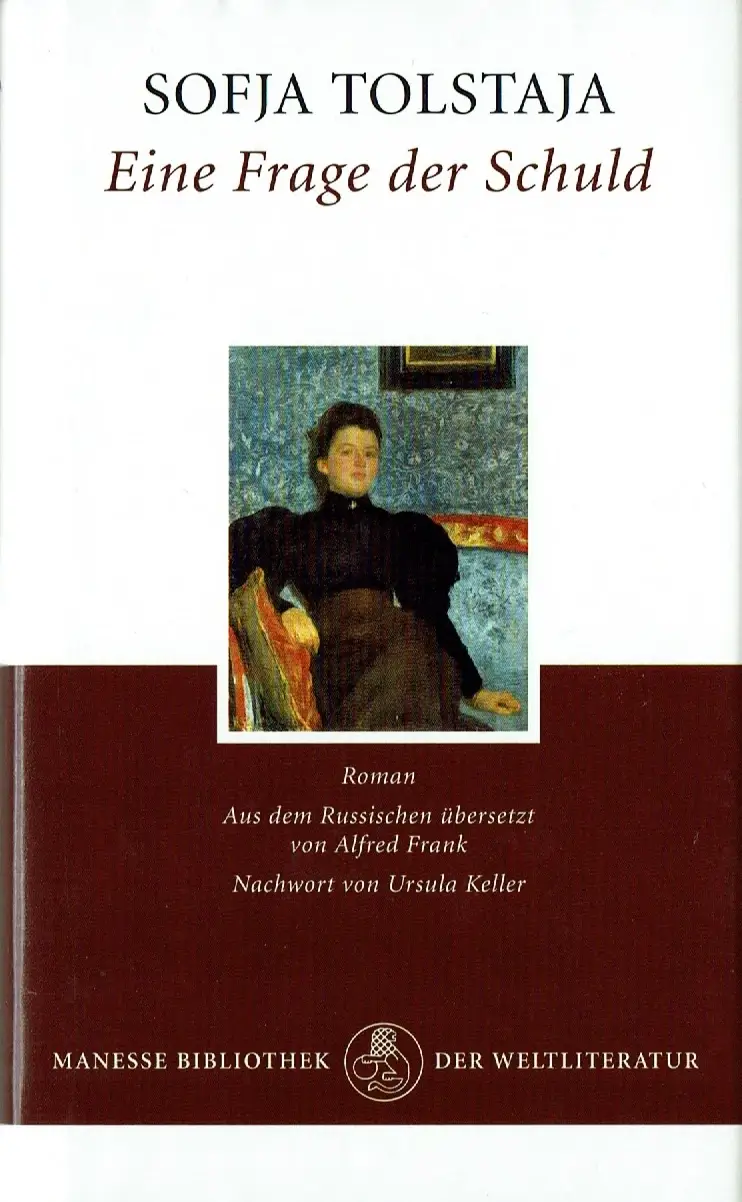
The Saint's Sacrifice: Sofya Tolstaya and Leo Tolstoy
It is not easy to find justice for one's own position when the adversary is regarded as a saint. Sofya Andreyevna Tolstaya, wife of the Russian national poet Leo Tolstoy, was among the silent losers of history for centuries. Only nearly a century after her husband's death is her position slowly receiving more understanding.
Rivals or Allies? Wallace, Darwin, and Evolution
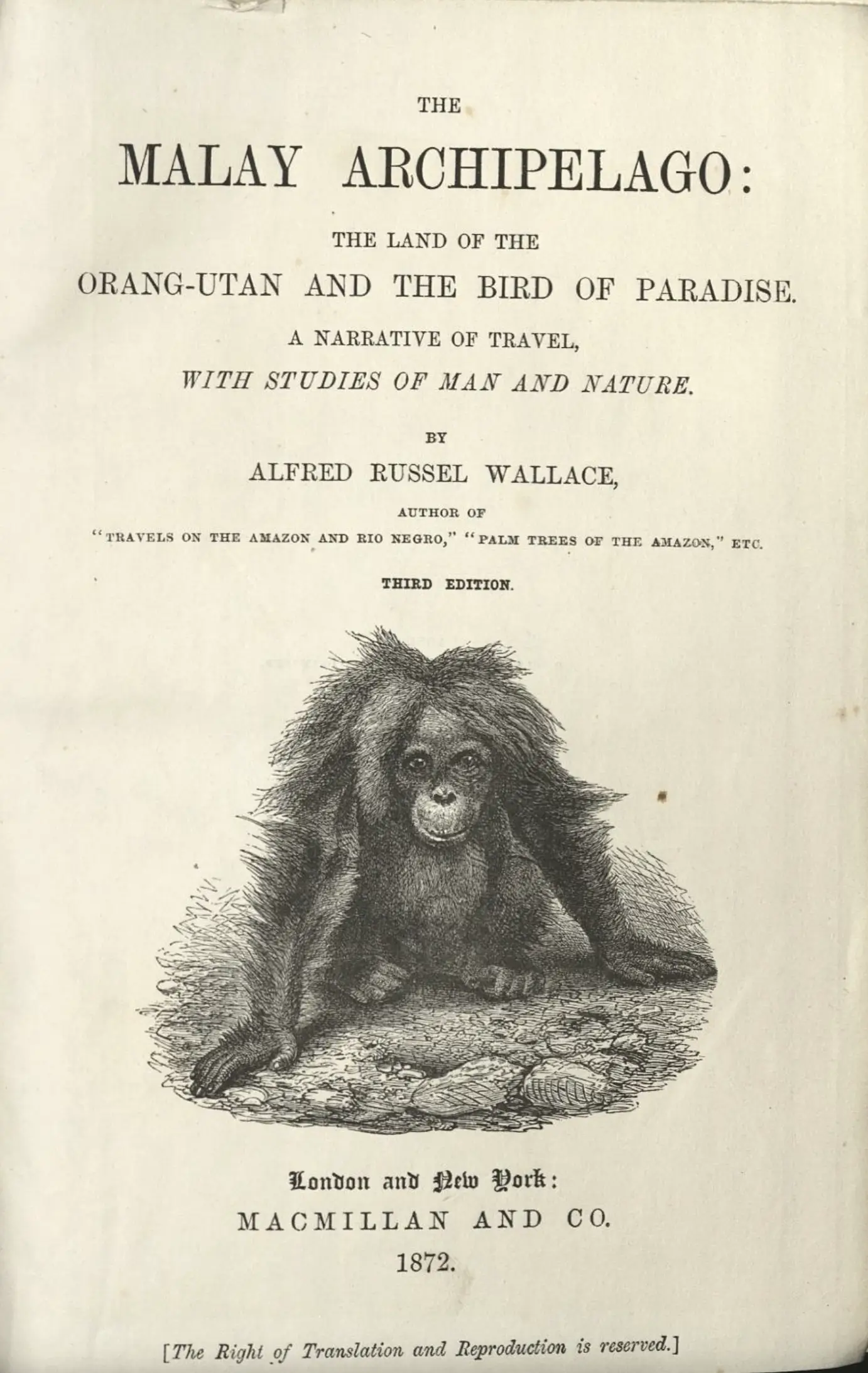
Alfred Russel Wallace published a book in 1869 about his journey to Indonesia. It became an international bestseller that still today bears witness to how Wallace developed his theses on evolution independently of Darwin. He informed Darwin of his theory as early as 1857. Today there are people who therefore claim Darwin stole his fame from his unknown colleague. Can this be true?
The Divided America: Main Street by Sinclair Lewis
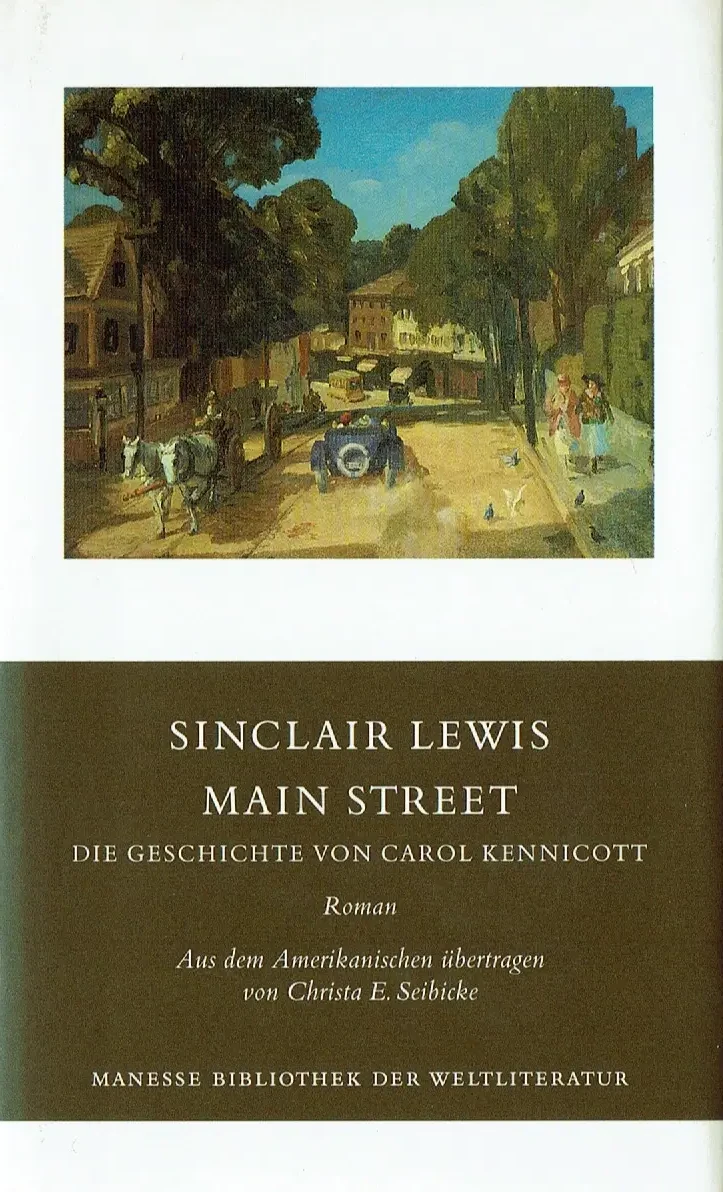
We believe today that the intellectual division of the United States is new. But when Sinclair Lewis wrote his novel about an ambitious young woman in a small town in the 1920s, this division already existed. Down-to-earth, traditional, deeply conservative: the small town; progressive, tolerant, detached from reality: the big city. The heroine of the story had already observed at the time that small town and big city are not geographical terms but states of mind.
Charles Darwin and the Theory of Evolution: The Stronger Survives
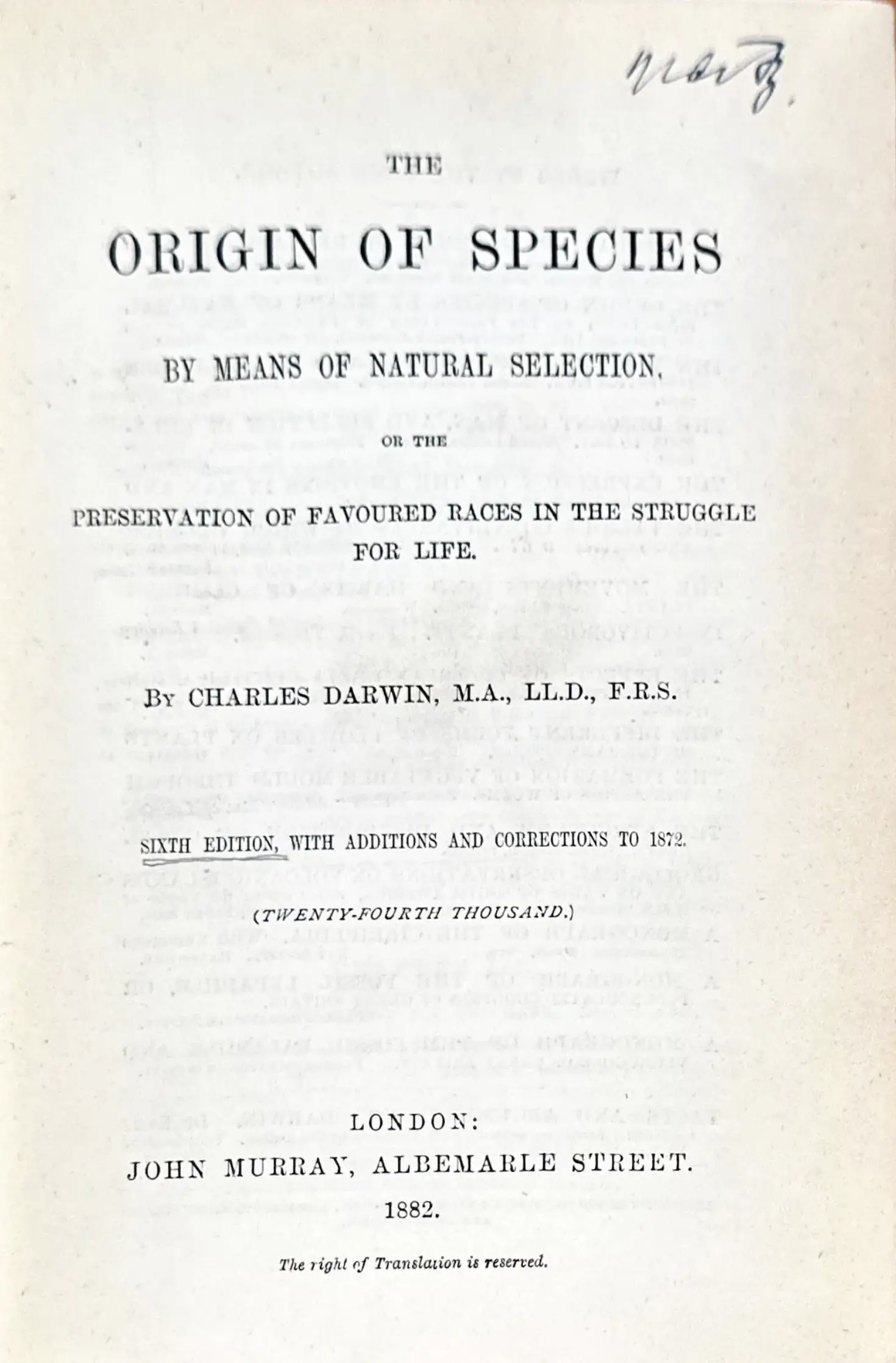
Charles Darwin's theories on evolution laid the foundations for our world view today. Through his hypothesis that nature itself exercises a natural selection and thus creates new species, any intervention by God became superfluous. For us this has long since ceased to be a scandal. In Darwin's time, however, it transformed the view of the world.
The Anti-Malthus: The Chimes by Charles Dickens
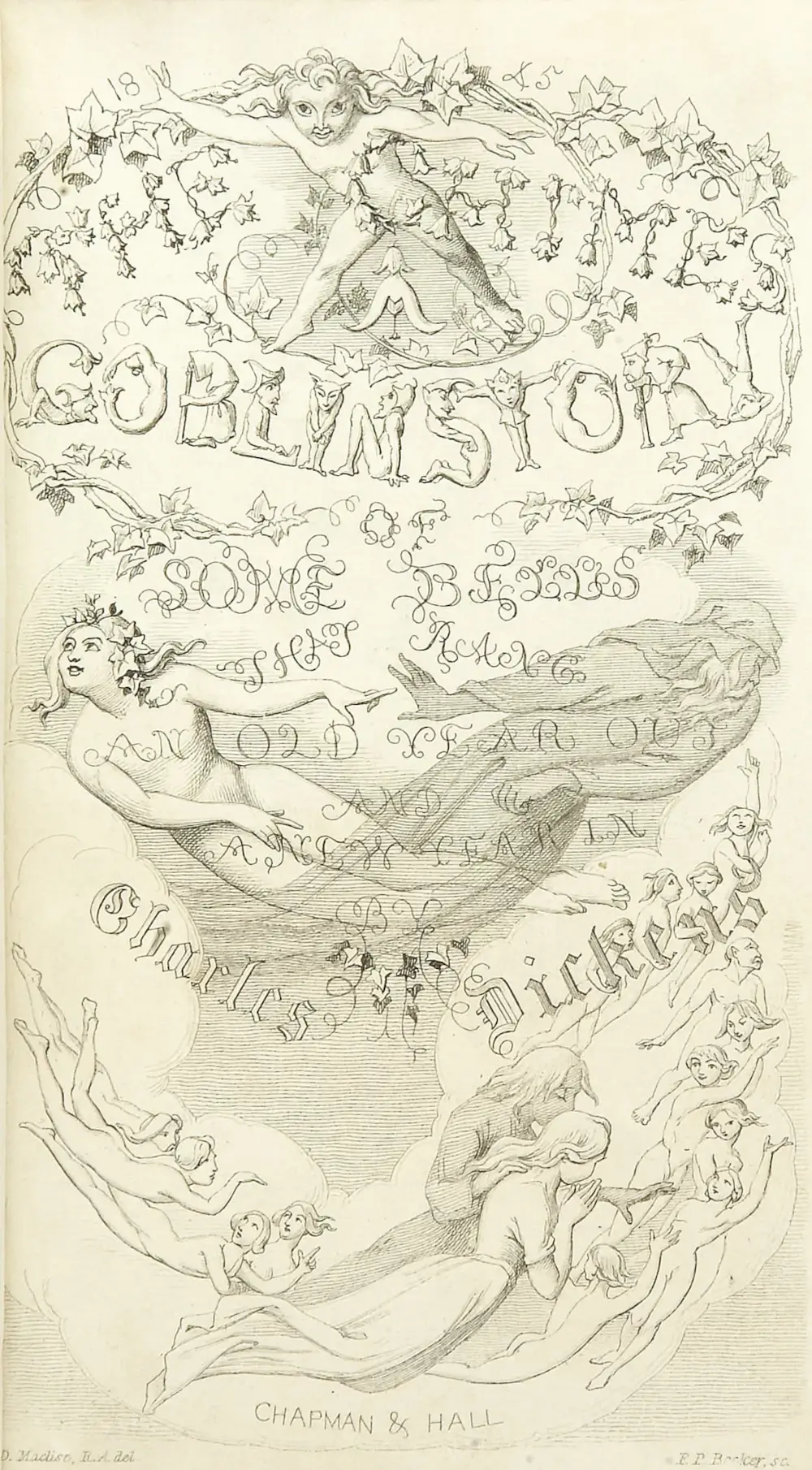
While 'A Christmas Carol' by Charles Dickens is among the best-known Christmas stories, almost no one today knows his 'The Chimes.' This is understandable, for 'The Chimes' must be read against its historical background. It reflects the British poverty debate of the 1840s.
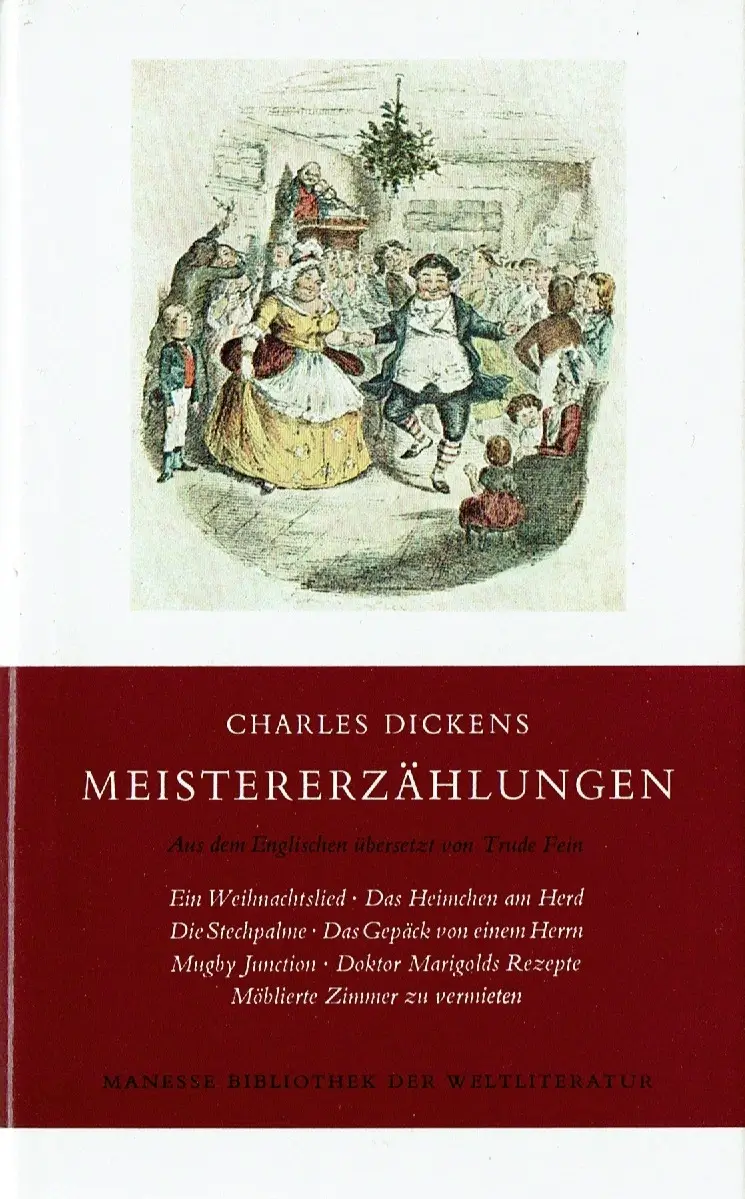
Oh Joyful Christmas Season: Charles Dickens' Christmas Stories
Charles Dickens still ranks among the most beloved authors of the English-speaking world. This is due to his wonderful characters. They give the reader the illusion of standing on the right, the good side through identification with the loveable poor. Charles Dickens is feel-good literature of the finest kind, especially at Christmas time.
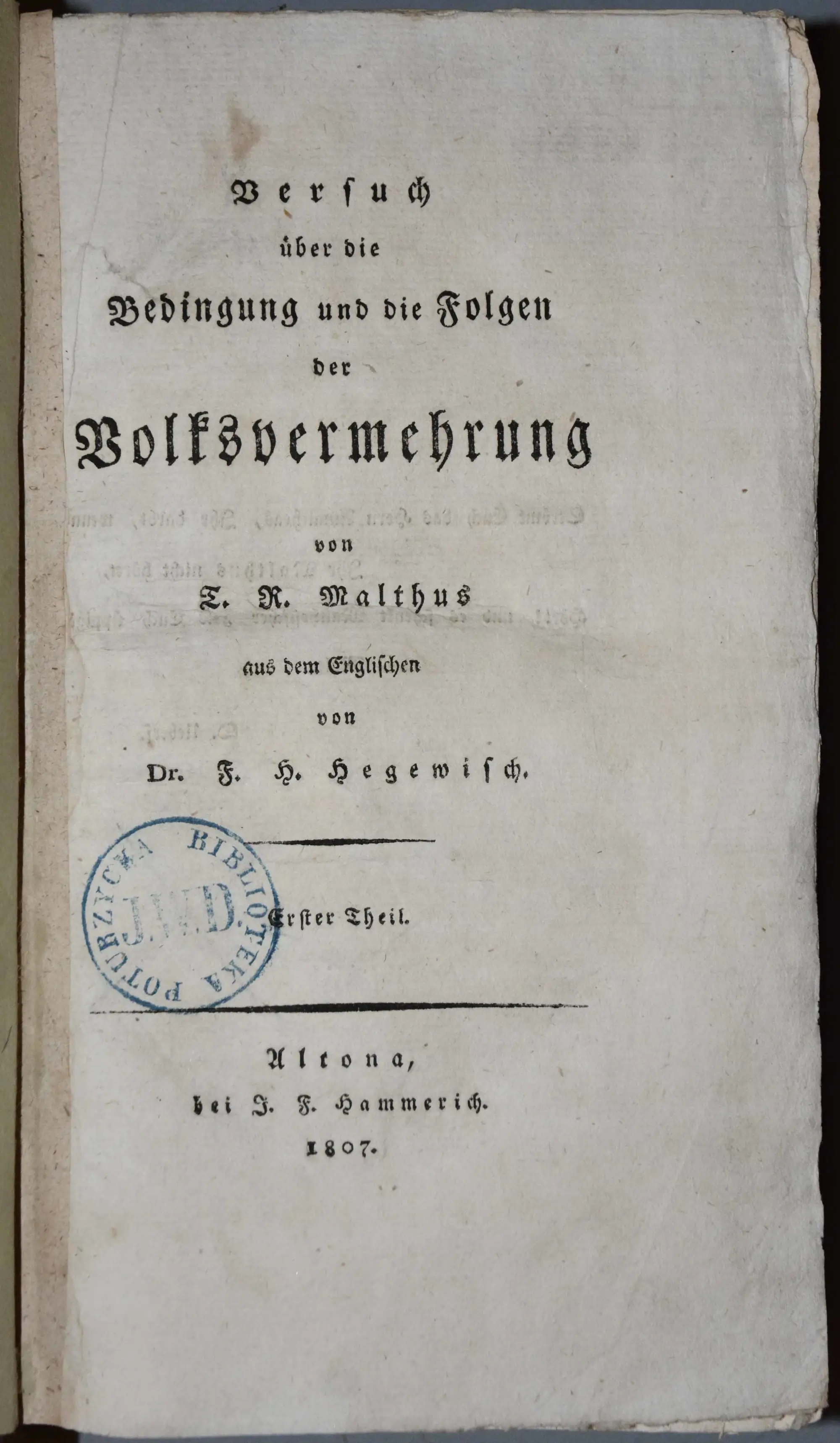
Malthus: How a Rich Man Can Sleep Soundly in the Face of Poverty
Why does poverty exist, and how can we eliminate it? Around 1800 this question occupied all English people who saw the misery in the slums of industrial cities. The young Malthus found his own answer. He wrote that the rich could not eliminate poverty. For the reason for poverty was the poor person himself.
Time Travels
Travel through time with us! Using historical works from the MoneyMuseum library, we approach exciting topics in history - sometimes from a completely different perspective than textbooks usually do.
All Time Travels
What Actually Is Education? A Journey Through the Past
Welcome to our new exhibition titled "What is Education? Education and Training since Antiquity." In this exhibition, we explore the question of what education is actually meant to achieve. Is it about acquiring knowledge, or should education aim to create the ideal person? Using books from the MoneyMuseum's collection, we illustrate different educational ideals and approaches, from antiquity to the 19th century.
Our Newsletter for Bibliophile:
For those who want to know more about books!
Newsletter